


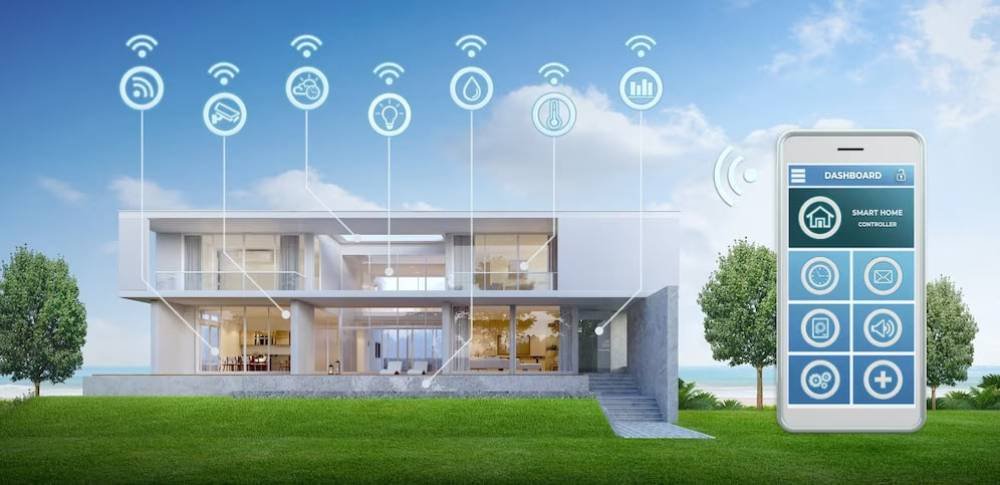
Emerging Home Technology Set to Dominate the Future
Remember when a "smart home" just meant asking a smart speaker to play music or turn off a light? Those days are officially behind us. We are moving past the era of command-based gadgets, where you have to constantly tell a device what to do, and stepping into the era of the adaptive, self-managing home.
The future of smart homes isn't just about adding more screens or cooler features; it’s about removing the friction from daily living so your house can quietly take care of you. If you are looking to future-proof your living space, understanding the latest home automation trends can help you create a space that's truly ready for tomorrow.
Here are the massive shifts and smart home innovations transforming modern living.
1. Zero-Friction Unified Ecosystems (Thanks to Matter)
For years, the biggest headache in smart home technology was fragmentation. You bought a smart plug that worked with Apple, a security camera that preferred Google, and a smart lock tied to Amazon. This platform lock-in kept the market divided and frustrated homeowners.
The industry is finally solving this mess with Matter—a universal open-source connectivity standard backed by the biggest names in tech.
-
The Reality: Matter allows connected home devices from entirely different brands to speak to each other locally, without relying on a dozen different proprietary hubs or glitchy cloud connections.
-
The Takeaway: In the coming years, you won't need to check "Works with Alexa" or "Works with Apple HomeKit" labels. Everything will just seamlessly integrate under one unified control center, opening up a world of higher cross-compatibility.
2. Intent-Driven AI and Adaptive Automation
Instead of manually setting up rigid schedules, next-generation spaces rely on AI home devices and advanced natural language processing to learn your habits and predict your needs.
Instead of shouting, "Alexa, turn the lights to 20%, close the blinds, and turn on the TV," future interfaces will respond to contextual, vague commands like, "Hey, let's get ready for movie night." The system will understand exactly what that means based on your historical preferences, shifting the lighting, temperature, and media in perfect harmony.
As these AI home devices become more intuitive, the need to physically toggle switches will steadily fade, giving way to true, personalized comfort.
3. Climate-Conscious Energy Management
Sustainability is one of the biggest drivers of trending home technology. The future home won't just monitor how much power you are using; it will actively reduce waste and lower your utility bills without you ever noticing.
-
Intelligent Energy Panels:
These panels sync directly with solar energy setups and track real-time grid pricing. They automatically shift heavy appliance usage—like running your dishwasher—to off-peak hours when electricity is cheapest.
-
Smart Climate Shading:
This technology integrates motorized blinds with indoor temperature sensors. The system automatically lowers the blinds to block out the harsh midday sun, naturally dropping your AC cooling load and saving power.
-
High-Efficiency Demand Systems:
By learning your seasonal water and heating habits, these systems manage tankless, variable hardware to eliminate standby energy loss entirely.
4. Proactive and Predictive Home Security
Traditional security systems are reactive—they trigger an alarm after a window is broken or a sensor is tripped. The future of smart homes relies heavily on AI, computer vision, and predictive edge computing to stop incidents before they happen.
Next-generation camera hubs can differentiate between a neighbour walking their dog, a delivery driver placing a box, and an unknown figure lingering by your gate for an unusual period. By analyzing historical data and behavioral patterns, the system can flash automated perimeter lights or send a high-priority alert to your phone to deter a potential break-in before it ever occurs. Biometric access, facial recognition door locks, and smart video doorbells are turning home security into a proactive shield rather than a reactive warning.
5. Circadian Wellness and Smarter Living Spaces
Because we spend so much time indoors, future home technology is deeply tied to health and biological wellness.
The most prominent example is dynamic circadian lighting. Instead of static white light all day, these integrated systems mimic the natural color temperature of the sun. In the morning, your lights glow with crisp, cool blue tones to naturally suppress melatonin and boost morning energy. As evening approaches, the home shifts to warm, amber tones, preparing your biological clock for deep, restorative sleep.
When combined with smart HVAC systems that monitor volatile organic compounds (VOCs) and adjust indoor air purification in real time, the house effectively becomes an active partner in your long-term health.
6. Smarter Kitchens, Bathrooms, and Robotics
The integration of IoT home technology is redefining specific rooms in the house:
-
The Smart Kitchen: From inventory-tracking refrigerators that can order groceries when you run low, to smart ovens you can preheat remotely, kitchen gadgets are taking the guesswork out of meal prep.
-
The Smart Bathroom: Temperature-controlled showers, touchless faucets, smart mirrors, and water-saving systems combine luxury with improved hygiene and resource conservation.
-
Robotic Assistants: Beyond the classic robot vacuum, upcoming home automation trends include specialized window-cleaning, pool-cleaning, and even lawn-mowing robots that handle routine maintenance autonomously.
The Golden Rule for Upgrading Your Space
If you are planning a remodel or buying the latest smart home gadgets today, the single best piece of advice is to prioritize interoperability and open infrastructure over flashy features.
Look for the foundation: Choose connected home devices that support open protocols like Matter, invest in a robust Wi-Fi or Thread network router, and select hardware designed to receive long-term software updates.
The goal is to leverage trending home technology to build an ecosystem that grows smarter over time, rather than a collection of isolated gadgets that become obsolete in a few years. Embracing future home technology today ensures your living space remains secure, efficient, and comfortable for all the tomorrows to come.
FAQs About the Future of Smart Homes
1. What exactly is smart home technology?
Smart home technology uses internet-connected devices and automation systems to remotely monitor and manage household systems like lighting, security, climate, and entertainment. These connected home devices talk to each other and can be controlled via smartphones, voice commands, or automated AI platforms.
2. Which future home technology is expected to dominate the market?
The future of smart homes will be heavily dominated by intent-driven AI home devices, unified open standards like Matter, proactive security systems, and climate-conscious energy management tools. We will also see a massive rise in health-focused tech, like circadian lighting, alongside highly capable robotic maintenance assistants.
3. Are these smart home innovations actually energy efficient?
Absolutely. One of the main benefits of modern automation is sustainability. Devices like smart thermostats, intelligent shading, and automated energy monitors track real-time resource consumption and turn off appliances when they aren't in use, significantly cutting down on utility waste.
4. How secure are modern smart homes against hacking?
As homes become more connected, security concerns naturally rise. However, the latest smart home gadgets use advanced encryption, local edge computing (processing data inside the home rather than on public clouds), and multi-factor authentication. Keeping your router secure and updating your device software regularly is the best way to safeguard your ecosystem.
5. Can I upgrade an older house, or do I need a brand-new build?
You do not need a new home to get started. Most modern innovations are explicitly built for retrofitting. You can easily introduce smart lighting, plug-and-play security cameras, and smart thermostats to an older property without changing its underlying wiring or structural layout.
6. Is investing in the future of smart homes worth the cost?
For most homeowners, the initial investment pays off incredibly fast through lower monthly energy bills, heightened home security, unmatched daily convenience, and a measurable boost in overall property value.