


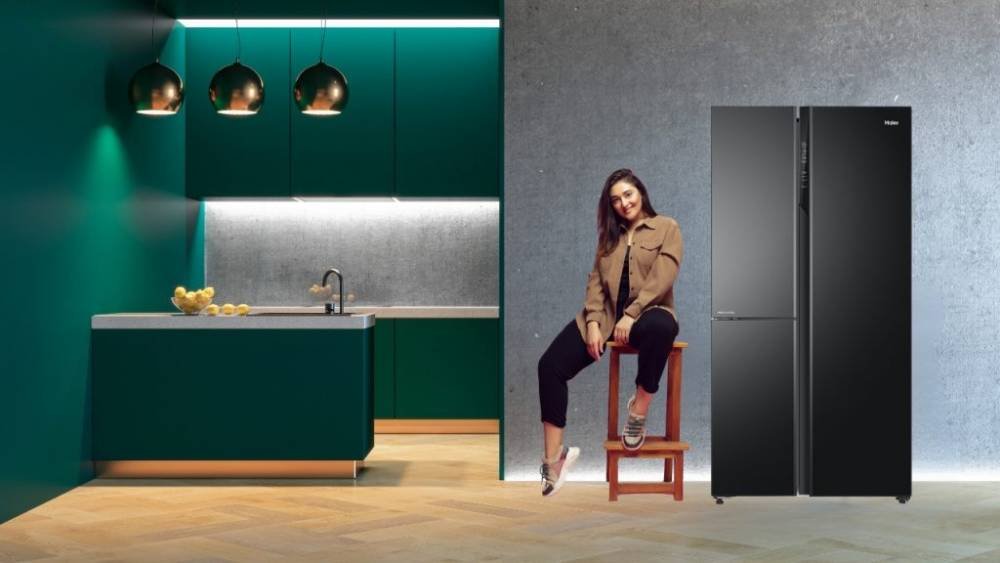
Smart TVs, Smart ACs & Smart Refrigerators Explained
Smart appliances are becoming increasingly common in modern homes. Like TVs that stream content without extra boxes, or air conditioners you can manage from your phone, manufacturers keep saying it brings convenience, lower energy use, and a more connected day-to-day kind of lifestyle.
But do these “smart” extras really make the higher price worth it?
Honestly, it depends on the appliance. Some smart products give actual, useful benefits in everyday life, while others stay more like luxury buys that may not bring enough value for every household out there. Before you spend extra, you should figure out what you are really getting, not just what sounds good in a marketing pitch.
So, let’s line up three of the most popular smart appliances — smart TVs, smart AC units, and smart refrigerators — and see whether they’re truly worth the premium or not.
Smart TVs: A Smart Purchase for Almost Everyone
If you’re buying a television today, honestly a smart TV is basically the default choice, like it’s just how things are now. And compared to a few years ago, that smart functionality doesn’t get treated as some fancy premium extra. Most mid-range and even the “premium” sets already arrive with built-in smart operating systems, so yeah there’s less to decide.
Popular platforms include:
-
Google TV
-
Android TV
-
LG webOS
-
Samsung Tizen
These systems provide direct access to streaming services such as:
-
Netflix
-
YouTube
-
Amazon Prime Video
-
Disney+ Hotstar
-
Sony LIV
-
JioHotstar
Why Smart TVs Are Worth Buying
Built-In Streaming
A smart TV eliminates the need for separate streaming sticks or set-top boxes. Everything is available directly through the television interface.
Smart Home Integration
Most modern smart TVs can connect with the following:
-
Google Assistant
-
Amazon Alexa
-
Smart cameras
-
Smart speakers
-
Smart lighting systems
Better User Experience: Voice search, personalized recommendations, screen casting, and app downloads make smart TVs significantly more convenient than traditional televisions.
Bottom Line: Smart TVs have become the industry standard. You're rarely paying extra specifically for smart features anymore.
Smart Air Conditioners: Convenience That Saves Money
Smart air conditioners offer much more than remote control. For Indian households dealing with long summers and rising electricity costs, they can provide both comfort and measurable savings.
Why Smart ACs Are Worth Buying
Remote Control from Anywhere
One of the biggest advantages is the ability to control your AC through a smartphone app.
This adds significant convenience to daily life. You can:
-
Turn it on before reaching home
-
Adjust temperatures remotely
-
Switch it off if you forgot while leaving
Energy Monitoring
Many smart ACs provide detailed reports that help users reduce electricity bills.
-
Daily energy consumption
-
Monthly usage trends
-
Power-saving recommendations
Smart Scheduling
Smart ACs can automatically operate according to your routine.
These features improve efficiency without sacrificing comfort. Examples include:
-
Turning on before bedtime
-
Turning off when you leave home
-
Adjusting cooling based on room temperature
Maintenance Alerts
This helps maintain performance and extend appliance life. Many models can notify users about:
-
Dirty filters
-
Cooling issues
-
Service requirements
Bottom Line: Unlike many smart products that only add convenience, smart ACs can actually save money through better energy management.
Smart Refrigerators: Luxury or Necessity?
Smart refrigerators are among the most advanced appliances available today. They offer features that go far beyond food storage, but they also come with significantly higher price tags.
The real question is whether these additional features provide enough practical value for the average household.
Why People Buy Smart Refrigerators
1. Internal Cameras
Some smart refrigerators allow users to view the contents of the fridge through a smartphone app.
This can help:
-
Avoid duplicate grocery purchases
-
Check available ingredients
-
Reduce food waste
2. Touchscreen Displays
Premium models often include touchscreen panels that can display the following:
-
Recipes
-
Reminders
-
Family notes
-
Shopping lists
3. Smart Alerts
Users can receive notifications for:
-
Doors left open
-
Temperature changes
-
Power interruptions
-
Filter replacement schedules
4. AI-Based Energy Management
Certain models can automatically optimize cooling performance and compressor operation to improve efficiency.
5. The Biggest Drawback: Price
This is where many buyers hesitate.
In India, smart refrigerators typically cost:
-
₹70,000+ for entry-level smart models
-
₹1.5 lakh or more for premium variants
6. Long-Term Considerations
A good refrigerator is expected to last 10 to 15 years.
While the cooling system may continue working perfectly, technology changes much faster. Buyers should consider whether today's smart features will still feel useful years down the line.
Additionally, repairs involving:
-
Touchscreens
-
Sensors
-
Motherboards
-
Wi-Fi modules
7. Bottom Line
Smart refrigerators offer convenience and innovation, but they remain a premium purchase.
For technology enthusiasts and smart-home users, they can be a great addition. For buyers focused on value, a high-quality traditional refrigerator often makes more financial sense.
Smart Appliances Comparison
|
Appliance |
Worth the Premium? |
Biggest Benefit |
Biggest Drawback |
|
Smart TV |
✅ Yes |
Built-in streaming and smart home integration |
Interface may slow over time |
|
Smart AC |
✅ Yes |
Energy savings and remote control |
Requires stable Wi-Fi |
|
Smart Refrigerator |
⚠ Depends |
Smart alerts and inventory tracking |
High purchase and repair costs |
Final Verdict: Which Smart Appliance Is Worth Buying?
Not all smart appliances offer the same value.
Smart TVs are a clear winner because smart functionality has become standard and greatly improves the entertainment experience.
Smart ACs provide real-world benefits through remote access, automation, and energy savings, making them a worthwhile investment for most Indian households.
Smart Refrigerators, however, should be evaluated carefully. While they offer impressive technology, their high price means they're best suited for buyers who will actively use the advanced features.
FAQs About
1. Are smart appliances worth the extra cost?
Smart appliances can be worth the extra cost if you regularly use their connected features. Smart TVs and smart ACs often justify their price, while smart refrigerators require more careful consideration.
2. Which smart appliance offers the best value for money?
Smart TVs generally offer the best value because streaming, app support, and smart home integration are now standard features available across most models.
3. Do smart ACs reduce electricity bills?
Yes. Smart ACs can lower electricity costs through energy monitoring, automated scheduling, and optimized cooling performance.
4. Are smart refrigerators worth buying in India?
Smart refrigerators are worth buying for tech enthusiasts, large families, and smart-home users. For most households, a traditional refrigerator may offer better value.
5. Can smart appliances work without internet?
Yes. Most smart appliances continue performing their primary functions without internet access. However, app control, remote monitoring, and voice assistant features may not work.
6. What is the biggest disadvantage of smart appliances?
The biggest disadvantages are higher purchase costs, potential repair expenses, and the possibility of technology becoming outdated before the appliance itself reaches the end of its lifespan.
7. How long do smart appliances last?
Most smart appliances have a similar mechanical lifespan to traditional appliances. However, software support and connected features may become outdated sooner.
8. Should I buy a smart refrigerator or a traditional refrigerator?
If you want advanced features like remote monitoring, internal cameras, and smart alerts, a smart refrigerator may be worth considering. If your priority is affordability and reliable cooling, a traditional refrigerator is usually the better choice.